
Define one owner per channel
Weekly review operations break down when channel ownership is vague. Assign one primary owner to SMS, one primary owner to email, and one backup for each in case of absence. Clear ownership removes the handoff confusion that causes missed sends and duplicated reminders. It also makes coaching easier because you can review outcomes by channel owner instead of trying to evaluate a shared group workflow where no individual is accountable for timing and quality.
Ownership does not mean one person writes every message forever. It means one person is responsible for the final weekly output in that channel. They can reuse approved templates, coordinate with support, and ask for help when volume spikes, but they stay accountable for delivery standards. This model protects consistency across busy weeks. Teams that rotate ownership too often usually lose tone discipline and drift into either over messaging or long gaps that lower conversion.
At the start of each week, channel owners should review the upcoming queue, confirm capacity, and resolve edge cases before sends begin. A ten minute Monday check is usually enough if your process is healthy. The goal is to prevent reactive decisions during peak hours. When owners know exactly what they must deliver, they can keep outreach steady without forcing the rest of the team to pause operations and troubleshoot messaging issues midweek.
Reserve fixed outreach windows
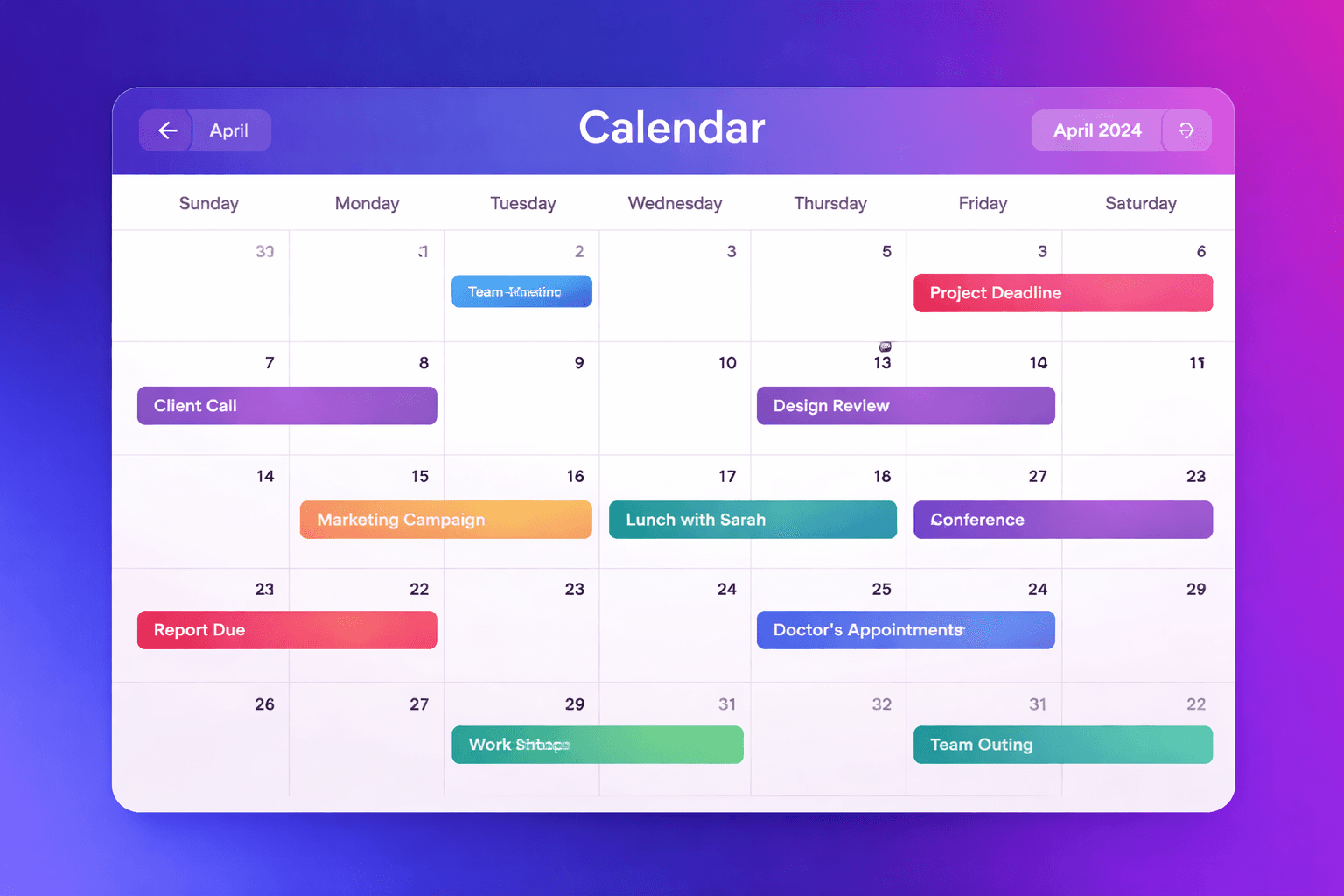
Consistency in timing is the foundation of a maintainable rhythm. Choose two fixed windows each week for outbound review requests, such as Tuesday morning and Thursday afternoon, and keep them stable for at least one month before experimenting. Fixed windows reduce planning overhead and make expectations predictable for every role. Staff can prepare clean customer lists ahead of time, and leadership can assess performance without wondering whether differences came from schedule changes or message quality.
Treat response handling as a separate scheduled block, not an afterthought. If requests go out on Tuesday and Thursday, reserve a short daily slot to monitor replies, service complaints, and escalations. This prevents unresolved issues from accumulating behind your outreach. It also protects your brand voice because owners respond while context is fresh. A steady rhythm requires both sending and handling feedback on a calendar. If only sends are scheduled, the process eventually creates avoidable friction.
Build a weekly queue instead of ad hoc requests
Ad hoc outreach feels fast, but it produces uneven quality and unstable results. Build one queue at the start of each week using clear eligibility rules: recent completed interaction, valid contact method, no unresolved complaint, and no recent opt out. A queue based on rules removes personal guesswork from the process and keeps messaging fair across customers. It also gives channel owners a realistic workload view before the week starts, which improves pacing and reduces deadline stress.
Keep queue hygiene simple and measurable. Remove duplicates, mark ineligible records, and tag each customer with the intended channel before the first send window. Then freeze the queue for that week unless critical updates appear. Constantly rebuilding lists midweek introduces noise and makes performance analysis unreliable. A frozen queue with documented exceptions gives you clean data, cleaner execution, and a repeatable operating pattern that new team members can learn quickly without tribal knowledge.
Review outcomes every Friday
A weekly rhythm only improves when the team closes the loop with evidence. Every Friday, review a short scorecard that includes requests sent, click through rate, completion rate, response quality signals, and opt out indicators. Keep the meeting brief and focused on what changed this week, not broad theory. The purpose is operational learning. You want to detect small drifts early, such as falling completions in one channel, before they become a monthly pattern that requires larger corrections.
Pair metrics with message samples from the same week. Numbers show where friction exists, while real message examples explain why. If click through drops after a template update, compare language side by side and test one variable at a time the following week. Avoid multi variable experiments in small datasets because they hide causality. Weekly reviews should produce one clear decision per channel owner, such as adjust send time, shorten opening line, or simplify call to action language.
Document each weekly decision in a shared log with date, owner, hypothesis, and expected impact. This log prevents repeated mistakes and helps new teammates understand the reasoning behind current templates. It also creates operational continuity when ownership changes. Without documentation, teams often relitigate old tests and lose momentum. With documentation, the rhythm compounds. Each week becomes a controlled improvement cycle rather than a disconnected set of actions driven by memory or preference.
Keep the rhythm resilient during busy weeks
Your process must survive holidays, staffing gaps, and sudden volume spikes. Define minimum viable output rules before those weeks arrive. For example, if capacity drops, prioritize customers with the most recent positive interactions, keep one send window instead of two, and preserve response monitoring. Reducing scope is better than abandoning the rhythm. When teams skip outreach entirely during busy periods, recovery is harder because both performance baselines and owner habits are disrupted.
Set clear escalation rules so channel owners know when to pause outreach for specific customers. Any unresolved complaint, refund request, or serious support ticket should move the customer out of the queue until service recovery is complete. This protects trust and reduces preventable negative reviews. A resilient rhythm is not just frequent. It is context aware, ethically applied, and easy to run under real operational pressure. That is what makes it sustainable month after month.
Run a short monthly resilience drill to test whether backups can operate each channel without help. During the drill, the primary owner steps out while the backup executes one full cycle from queue review to send scheduling and response handling. This exercise exposes hidden process gaps before real absences happen. It also improves documentation quality because vague instructions fail quickly under test. Teams that practice handoffs keep their weekly rhythm stable even when staffing changes unexpectedly.